





Extenuating circumstances
Extenuating circumstances refers to events outside of the control of a particular party, also referred to a exceptional circumstances and extraordinary circumstances.
The term may be used in relation to force majeure, although also related to events beyond the reasonable control of a party, which prevent or impede their ability to perform their obligations under a contract, force majeure maybe be a more significant and contractual occurrence. Generally these cannot be event that a party could reasonably have avoided or overcome, or one attributable to the other party.
The term may also be used in relation frustration in construction contracts, though again this generally has greater significance and impact because it leads to the contract being terminated without either party being considered to be in breach.
The term extenuating circumstances tends to be used as a reasoning for a particular outcome, so rendering the conduct less serious or potentially lead to reduced damages. It is most commonly used in relation to employment but it iimportant o note that extenuating circumstances under employment law are likely to differ from those that may be considered under a building contract.
In most cases it is a complex interpretable subject in any context. For example serious medical issues with staff maybe presented as extenuating circumstances to be considered, however within a building contract, it could be responded to that the impacts on the project may have been avoided, if other staff had been made available. Unless many staff became unavailable, due to for example a pandemic.
It is common in some cases for examples of extenuating circumstances to be given within the contract itself to avoid confusion. Here are some examples of what might be considered as extenuating circumstances, though they would have to be agreed ideally before and if not after the event.
- Medical issues (including mental health/wellbeing)
- Death of relatives
- Personal problems
- Personal or Family issues, such as divorce
- Period of self-isolation/quarantine
- Caring responsibilities and domestic difficulties
- Religious Observances
- Pregnancy related conditions
- Failure of IT equipment, where there is a verifiable failure
[edit] Related articles on Designing Buildings
- Breach of contract.
- Clear contracts during uncertain times.
- Compensation event.
- Concurrent delay.
- Consequential loss.
- Coronavirus and force majeure.
- Exigency.
- Extension of time.
- Force majeure.
- Frustration.
- frustration in construction contracts.
- Loss and expense.
- Liquidated damages.
- Neutral event.
- Relevant event.
- Suspension of performance.
- Termination in construction contracts.
- Variations.
Featured articles
Check out some of the best features and news from Designing Buildings as well as key stories from around the web.

Why construction can't afford to ignore the skills gap.
Building Safety Regulator, 19 August

Gill Kernick appointed Independent Chair of Residents’ Panel.
Connecting knowledge, technology and conservation
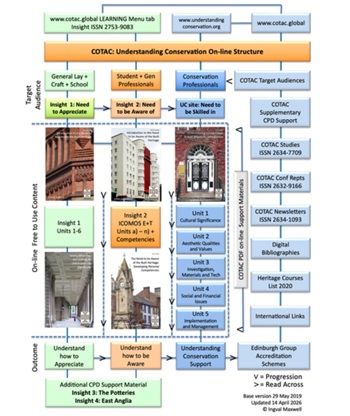
Building competence for the future of built heritage.
Building Regulations and Building Safety Act
CIOB publishes free advice for non-domestic clients.
Building Safety Newsletter from MHCLG.

An extraordinary record of steel engineering worldwide.
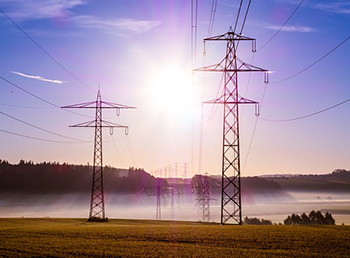
Households living near new pylons to save on bills.

ECA warns growth must not outpace grid capacity or skills.
The role of the client and decision making

CIOB response to built environment professions call for evidence.
Construction's sustainability reporting revolution
Tracking upfront embodied carbon with digital tools.
ECA welcomes procurement reforms

Public spending must back British jobs and skills.
Campaigning for Edinburgh: the Cockburn Association 1875-2049

The role of the civic voice in protecting character. Book review.